

Lesson 1 Activity: What is Poverty? A KWL Exercise
Video Demonstration Lesson Overview KWL is a familiar and productive method of engaging student interest in a new topic of…

Activity: The Activity That Fails
Overview: This brief classroom activity can be used to informally assess students’ ability to apply the principles of economic reasoning…

Activity: Site Selection – A Land Use Simulation
Economic Concepts Environmental Context Opportunity Cost Using resources in one way requires giving up alternative uses Trade-off Choice Scarcity Cost/Benefit…

Lesson 7 Activity: The Pearl River – Water In or Water Out?
Concepts: Scarcity, choices and opportunity cost Cooperation through markets Property rights Institutions shape incentives Content Standards: Standard 4: People respond…

Lesson 7: The Future of Water – Crisis or Cooperation?
Concepts: Scarcity, choices and opportunity cost Price and other incentives Cooperation through markets Property rights Institutions shape incentives Content Standards:…
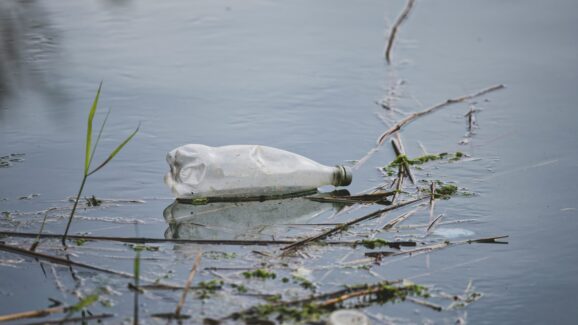
Lesson 6 Activity: Marginal Analysis – Would You Swim There?
In the “Would You Swim There?” simulation, students play the roles of community members wrestling with the problem of cleaning…

Lesson 6: Would You Swim There?
Concepts: Marginal analysis Content Standards: Standard 2: Effective decision making requires comparing the additional costs of alternatives with the additional…

Lesson 5 Activity: M&Ms and Lemonade
Concepts: Incentives Property rights Tragedy of the commons Content Standards: Standard 10: Institutions evolve in market economies to help individuals…

Lesson 5: The Tragedy of the Commons
Concepts: Incentives Property rights Tragedy of the commons Content Standards: Standard 10: Institutions evolve in market economies to help individuals…
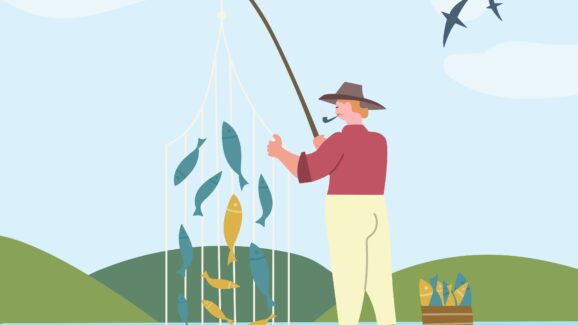
Lesson 4 Activity: Fishermen and Farmers – Conflict and Water Law
Concepts: Incentives Property rights Voluntary Exchange Content Standards: Standard 4: People respond predictably to positive and negative incentives. Standard 5:…
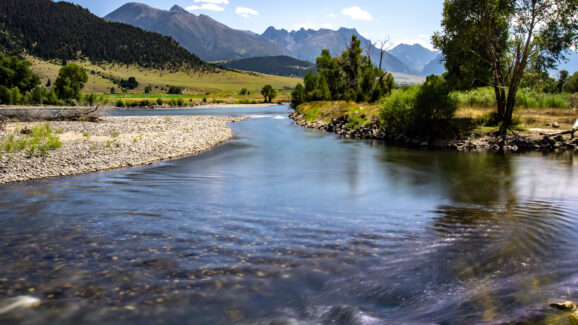
Lesson 4 Activity: The Impact of Water Law on People’s Choices
Concepts: Incentives Property rights Institutions Content Standards: Standard 4: People respond predictably to positive and negative incentives. Standard 10: Institutions…

Lesson 4: Water Law – The ‘Rules of the Game’ Matter
Concepts: Incentives Institutions Property rights Voluntary Exchange Content Standards: Standard 4: People respond predictably to positive and negative incentives. Standard…

Lesson 3 Activity: The Rules of Ownership
Time Required: 3-4 class periods Materials: Laminated pictures or clip art of objects—i.e., a ski-lift ticket or water park wrist-band,…

Lesson 3: Yours, Mine, Ours: The Rules of Ownership
Concepts: Incentives Property Property rights Content Standards: Standard 4: People respond predictably to positive and negative incentives. Standard 10: Institutions…

Lesson 2 Activity: Diamonds & Water – A Question of Value
Time Required: 2-3 class periods Materials: Jump ropes, hula hoops, or other fun exercise equipment (optional) large bottle(s) of…

Lesson 2: Waste Is in the Eye of the Beholder
Concepts Choices Supply Incentives Prices Scarcity Content Standards: Standard 4: People respond predictably to positive and negative incentives. Standard 8: …

Lesson 1 Activity: How Much Water Do You Need?
Time Required: Two and a half class periods Materials: One copy of handouts 1, 3, and 4 for each student…

Lesson 1: When Is a Basketball a Substitute for Water?
Concepts Choices Incentives Law of demand Content Standards: Standard 4: People respond predictably to positive and negative incentives. Standard 8: …