Finding Confidence, Leadership, and Connection Through Economics
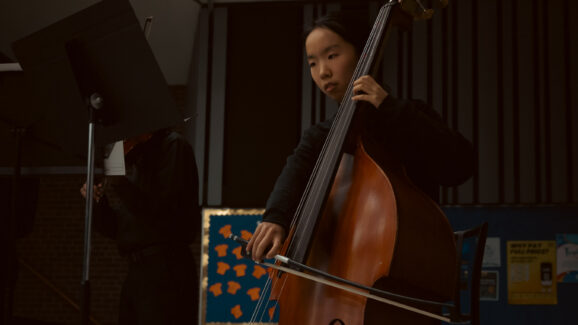
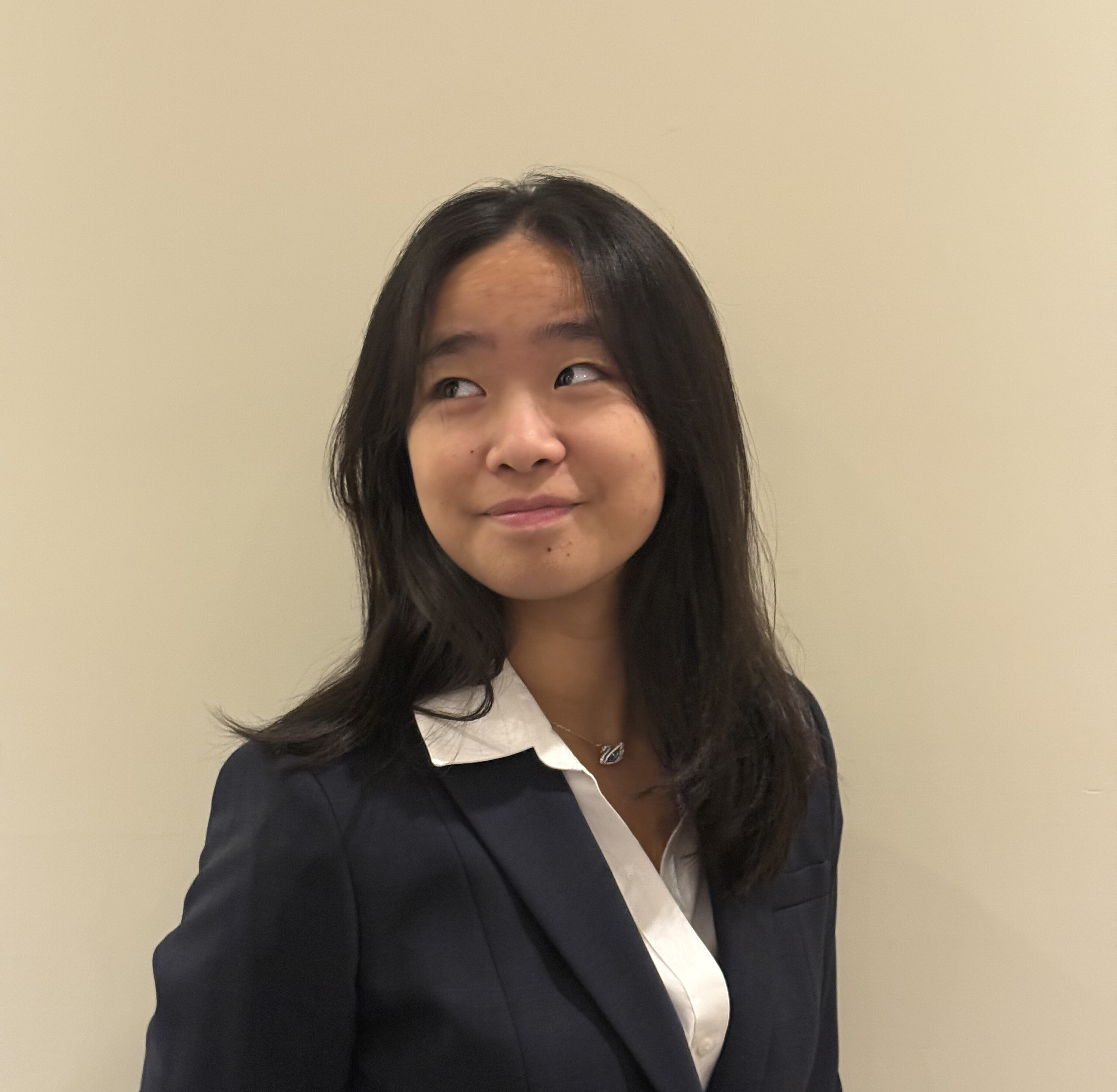
When Bonnie Luo arrived at the Economics for Leaders program at the University of Michigan, she was excited but nervous. A Grade 11 student from Canada, Bonnie had already taken AP Microeconomics and was curious about how economics connected to leadership. What she did not expect was just how much the experience would shape her confidence and the way she sees her future.
“I remember being really, really nervous the first day,” she shared. “But by the end of the week, I was talking to so many more people and even made friends I still keep in touch with.”
Exploring Economics and Leadership Together
Bonnie first applied because she was drawn to the way economics explains how the world works. At the time, she was still figuring out her long term path. She was interested in STEM, particularly environmental engineering, but also curious about business and leadership.
At EFL, she discovered that economics was not just theory. Through interactive games, discussions, and hands on activities like the Corporate Swamp simulation, she saw how economic thinking plays out in real decision making. Although she already had a foundation in economics, it was the leadership component that left the deepest impression.
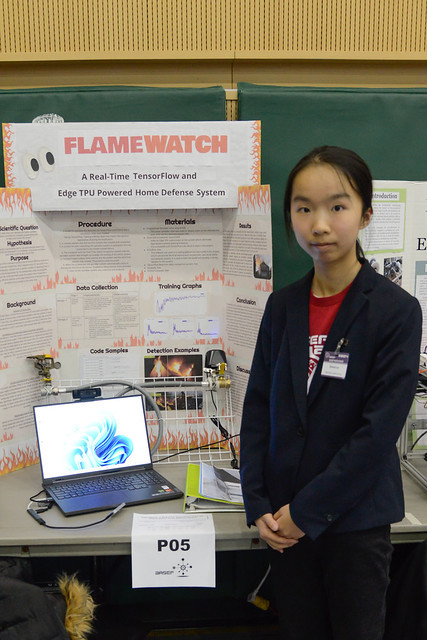
“I was able to understand my own values more and how I want to lead,” she explained. “It really helped improve my communication skills and my confidence.”
From Student to Leader
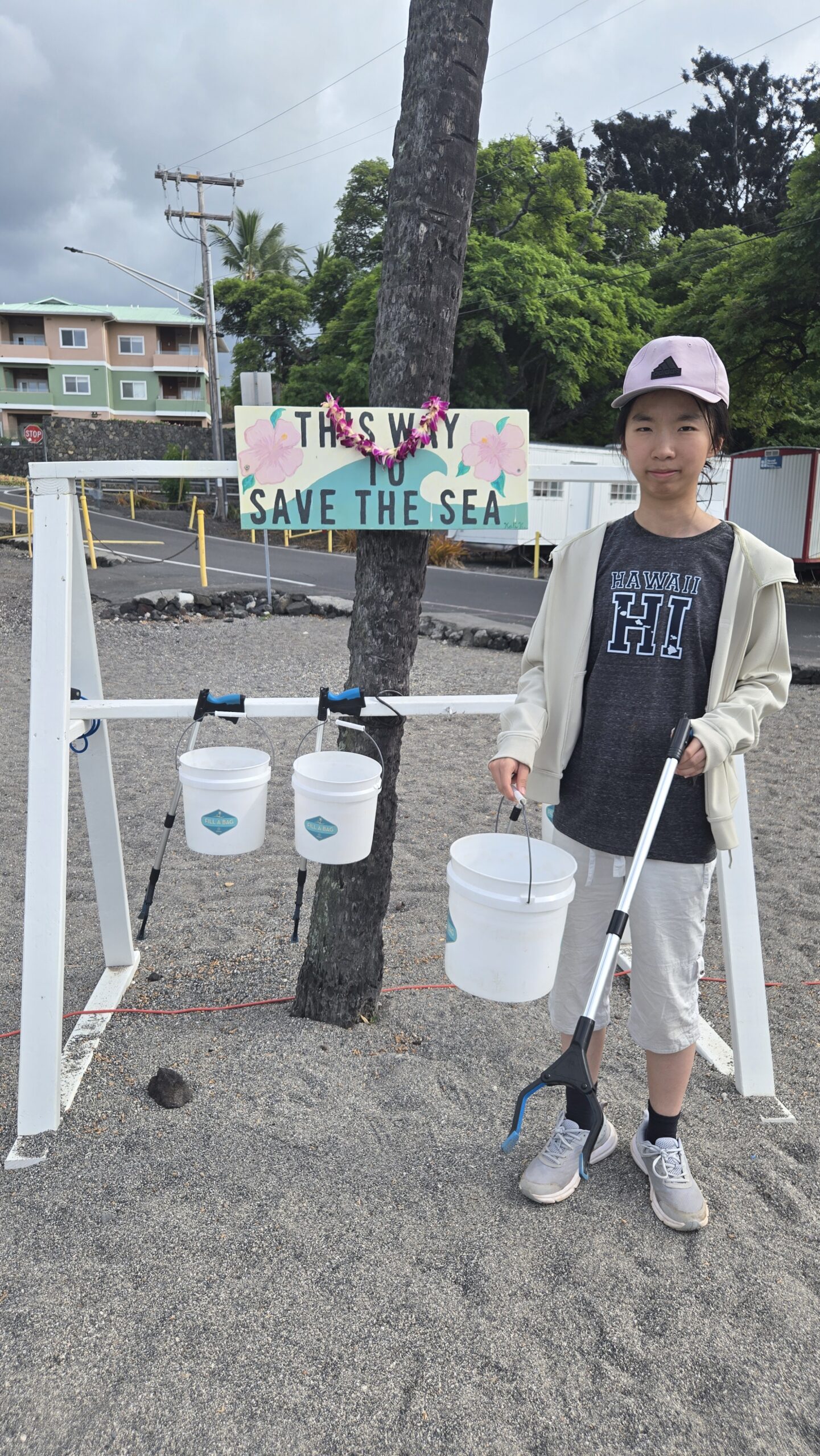
Today, Bonnie leads multiple initiatives at her school. She founded an environmental club, where she organizes events, builds a team of students, and promotes sustainable action across campus. She also leads her school’s string ensemble and plays three instruments, with cello as her favorite. In these leadership roles, she regularly draws on what she learned at FTE.
“I’m a very indecisive person,” she said with a laugh. “But learning about decision making in economics helped me think through different scenarios and understand what to prioritize.” The program also helped her develop the confidence to communicate more effectively, whether she is coordinating club events or collaborating with fellow musicians.
An Interdisciplinary Future
After reflecting further on her experience, Bonnie shared an important clarification about her academic interests. While environmental engineering remains her primary goal, she now sees economics as deeply connected to that path rather than as a backup plan.
“Understanding incentives, decision making, and how resources are allocated is really important when addressing environmental challenges,” she explained. “I see it as an interdisciplinary connection. FTE helped me recognize how closely these fields work together.”
For Bonnie, economic thinking is not separate from STEM. It is a powerful lens for understanding complex global problems.
Growing in Independence and Confidence
Beyond academics, living on a college campus for the first time was transformative. Spending a full week away from home helped her build independence and get excited about university life. Most importantly, it helped her grow personally.
“I’m not someone who is naturally very confident,” she shared. “But the program helped me become more confident through communicating with others and understanding myself better.” She still reflects on conversations with her student coordinator and carries those lessons with her today.
Advice for Future Students
Bonnie’s advice to future participants is simple: step outside your comfort zone. “Talk to more people. Connect with students from different backgrounds. I still wish I had talked to even more people when I was there.”
Even students who are unsure about pursuing economics should consider applying, she says. The leadership development, confidence building, and global friendships make the experience worthwhile regardless of your intended major.
“It was an awesome experience,” Bonnie said. “I would definitely recommend it.”
Leading with Logic, How Cadence Connected Economics to the Real World
For many high school students, economics is something found in a 900-page textbook. It is often seen as a series…