From EFL to The Money Manual: How One FTE Alum Is Changing the Way Teens Learn About Money
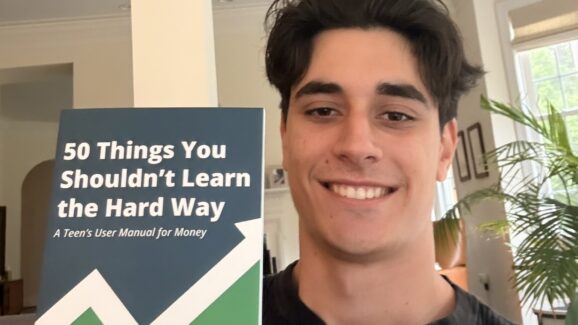
For many teenagers, financial literacy can feel like a subject designed for someone else. Most resources are written for adults, filled with unfamiliar terminology and concepts that can be difficult to connect to everyday life. For Deniz Yaveroglu, that gap became the inspiration for creating a resource specifically for people his age.
After participating in FTE’s 2025 Advanced Economics for Leaders at Yale University, Deniz took an idea he had been thinking about for months and finally turned it into action: writing The Money Manual, a free financial literacy handbook designed to help teens understand money in a simple, relatable way.
We caught up with Deniz to learn how his FTE experience inspired the book, why financial literacy matters to young people, and what he is doing now to make financial education more accessible.
From Analysis to Action
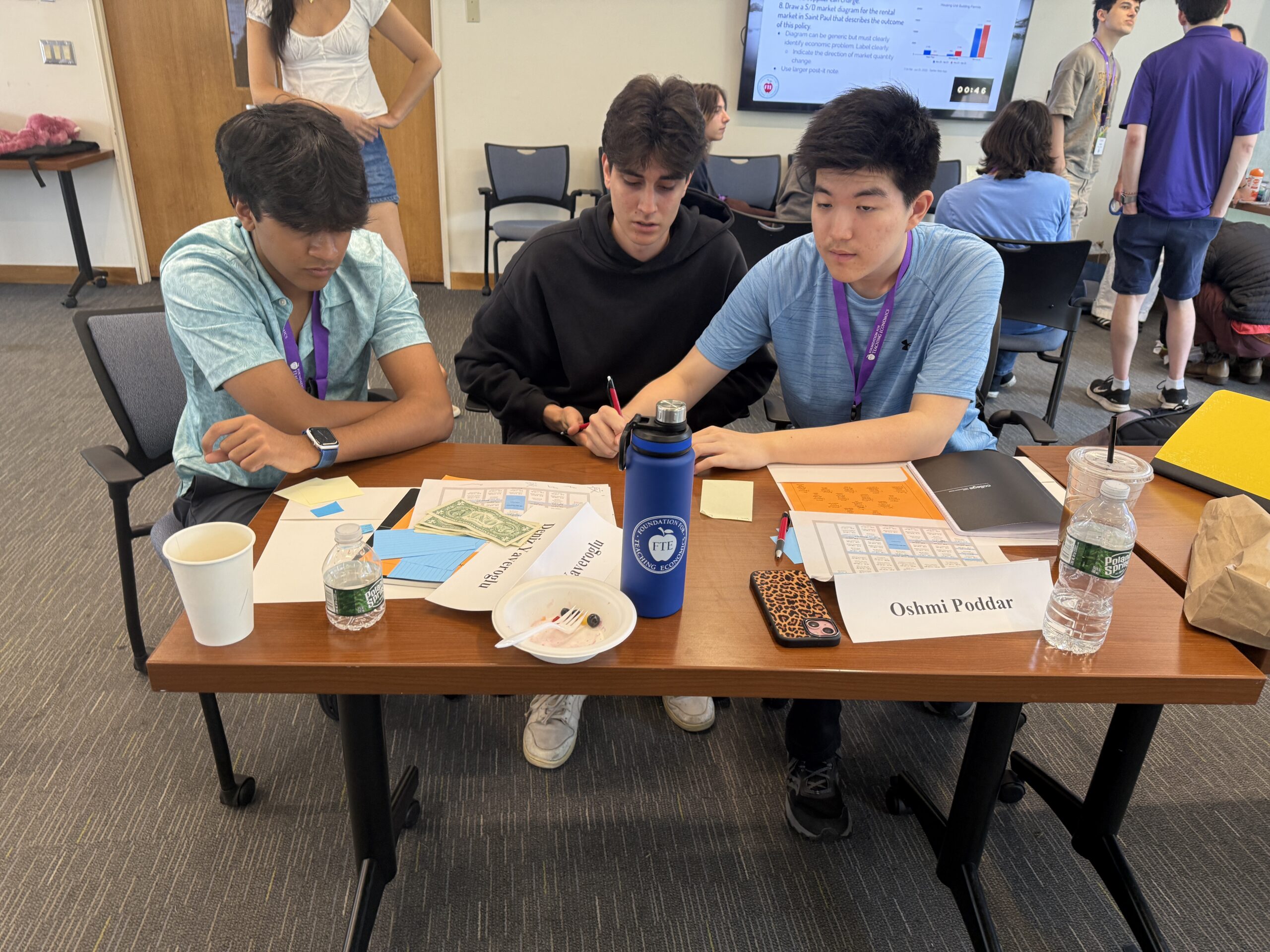
During his week at Yale, Deniz was placed in FTE’s “Analytical” group after completing a multiple-choice activity designed to identify different approaches to decision-making. His group was then given a challenge: come up with a business idea and pitch it to their peers in just 10 minutes.
For an analytical thinker like Deniz, the challenge quickly became a lesson in the importance of taking action.
“My group brainstormed many different ideas, and a lot of them were turned down because, being the Analytical group, we saw that they probably wouldn’t work out in the future,” Deniz explains.
While his group carefully considered every possibility, other teams were moving ahead. Eventually, they finalized their pitch, but Deniz walked away with a different kind of lesson.
“I walked away with the lesson that sometimes you just need to act faster. Thinking things through matters, but so does moving forward.”
It was a lesson that would soon change the direction of his own work.
The Idea Behind The Money Manual
Before attending FTE, Deniz had already been writing about financial literacy through the Youth Economics Initiative (YEI). As he researched topics like budgeting, credit, and investing, he noticed a common problem: most financial resources were written for adults.
“I kept noticing that most of the sources out there were written for adults, and the books I found for teenagers were hard to follow,” he says.
Deniz began imagining something different, a handbook that could explain important financial concepts using simple visuals, relatable stories, and language that teenagers could actually understand.
But the idea remained in what he describes as the “analysis phase.”
Then came his FTE experience.
That night, after returning to his dorm room from the business challenge, Deniz decided to stop thinking about the idea and start creating it.
“I wrote the first page of The Money Manual,” he says.
For Deniz, FTE reinforced an important lesson about leadership: having a good idea is only the beginning. Sometimes, leadership means having the confidence to act on it.
Making Financial Literacy More Relatable
The Money Manual was created with one goal in mind: to make financial literacy easier for teenagers to understand.
The book covers 50 short financial concepts, with each topic presented on its own page. Instead of relying on dense explanations, Deniz uses illustrations and fictional online posts from people who learned each lesson the hard way.
The format is designed to be approachable. Readers can open the book to any topic and begin learning without having to read it from beginning to end.
“I wanted to write the book the way a friend would explain it,” Deniz says.
For Deniz, reaching young people at this stage of life is especially important. Teens are beginning to earn their first paychecks, apply for internships, open accounts, and make financial decisions that can shape their futures.
“We are getting our first internships or jobs and making our first financial decisions, and we still have decades for good decisions to compound.”
Taking Financial Literacy Beyond the Book
Today, Deniz is continuing his work to make financial education accessible to students around the world.
He currently leads the Financial Literacy Introduction Program (FLIP) at the Youth Economics Initiative, a student-run global network of high school economics clubs with more than 5,500 active members. Through FLIP, Deniz and his team are working to bring financial literacy resources to more students and educators.
The team recently created a semester-long preparation curriculum for the new AP Business with Personal Finance course and published a research report exploring youth financial behavior in the digital age.
Deniz is also reaching out to state councils on economic education to help get The Money Manual into the hands of teachers who can share it with their students.
A Lesson That Stuck
Looking back, Deniz says his FTE experience gave him more than an opportunity to learn economics. It gave him a mindset he could apply long after leaving Yale.
The business challenge that initially taught him to move beyond overanalyzing an idea ultimately helped him take the first step toward creating a resource for thousands of other young people.
From writing his first page in a Yale dorm room to working to expand financial literacy education around the world, Deniz is putting that lesson into practice: think critically, but don’t be afraid to act. And his work is just getting started.
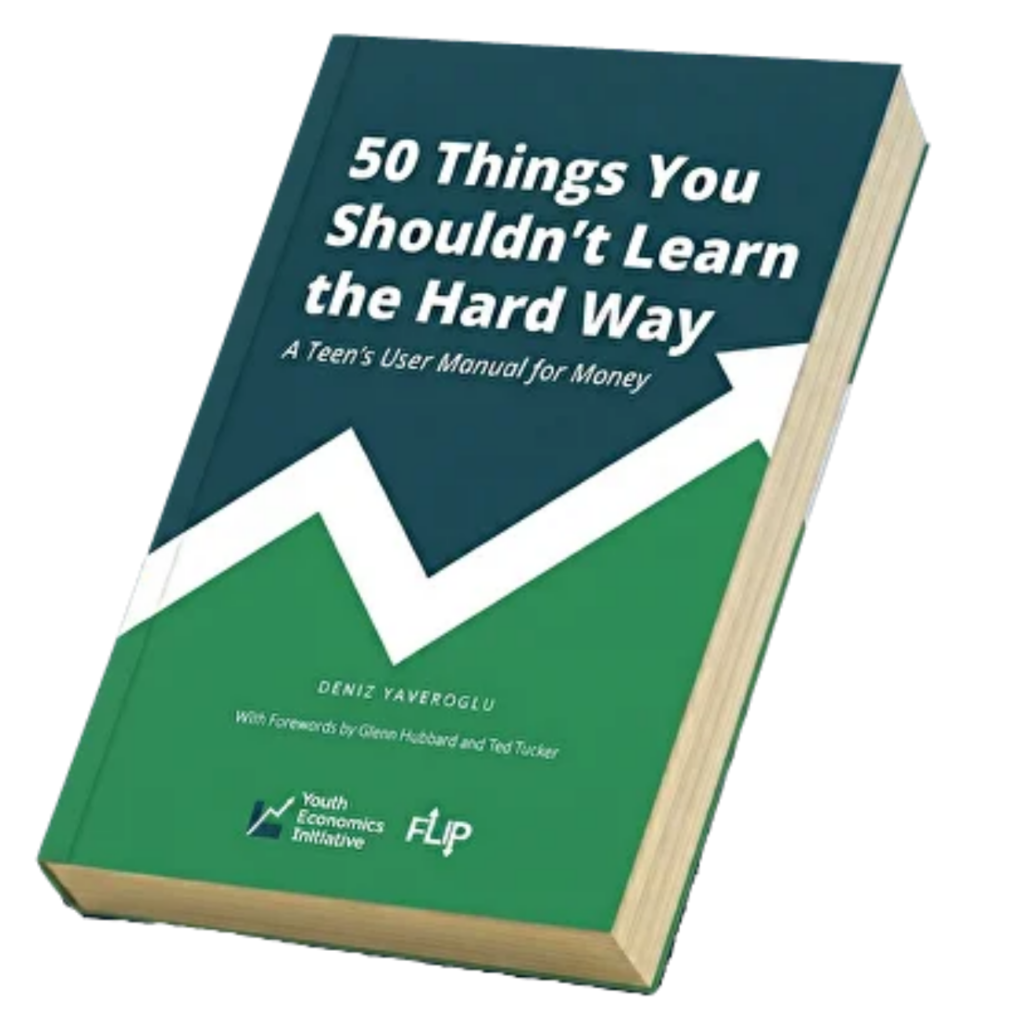
Want to learn more? Check out Deniz’ book, 50 Things You Shouldn’t Learn the Hard Way, for particle financial literacy tips and concepts written specifically for teens. Read the book and learn more at moneymanual.org.
A Summer of Learning and Connection
Students and teachers came together to explore economics, practice leadership, and learn from one another

Finding Confidence, Leadership, and Connection Through Economics
When Bonnie Luo arrived at the Economics for Leaders program at the University of Michigan, she was excited but nervous. A Grade…

Read Across America Day 2026: Celebrating a Nation of Diverse Readers
March 2, 2026 When we asked our staff what they are reading right now, the responses felt exactly like FTE…